
Aleppo soap for acne, psoriasis and mycosis: what it can really do
Acne, psoriasis, mycosis: these skin conditions have one thing in common. They make the skin more reactive and less tolerant to anything containing harsh sulfates, preservatives, or synthetic fragrances. Aleppo soap, with its three ingredients, often works better than conventional cleansers. Here's what it can do concretely—and what it doesn't replace.
A minimalist formula, beneficial for problem skin
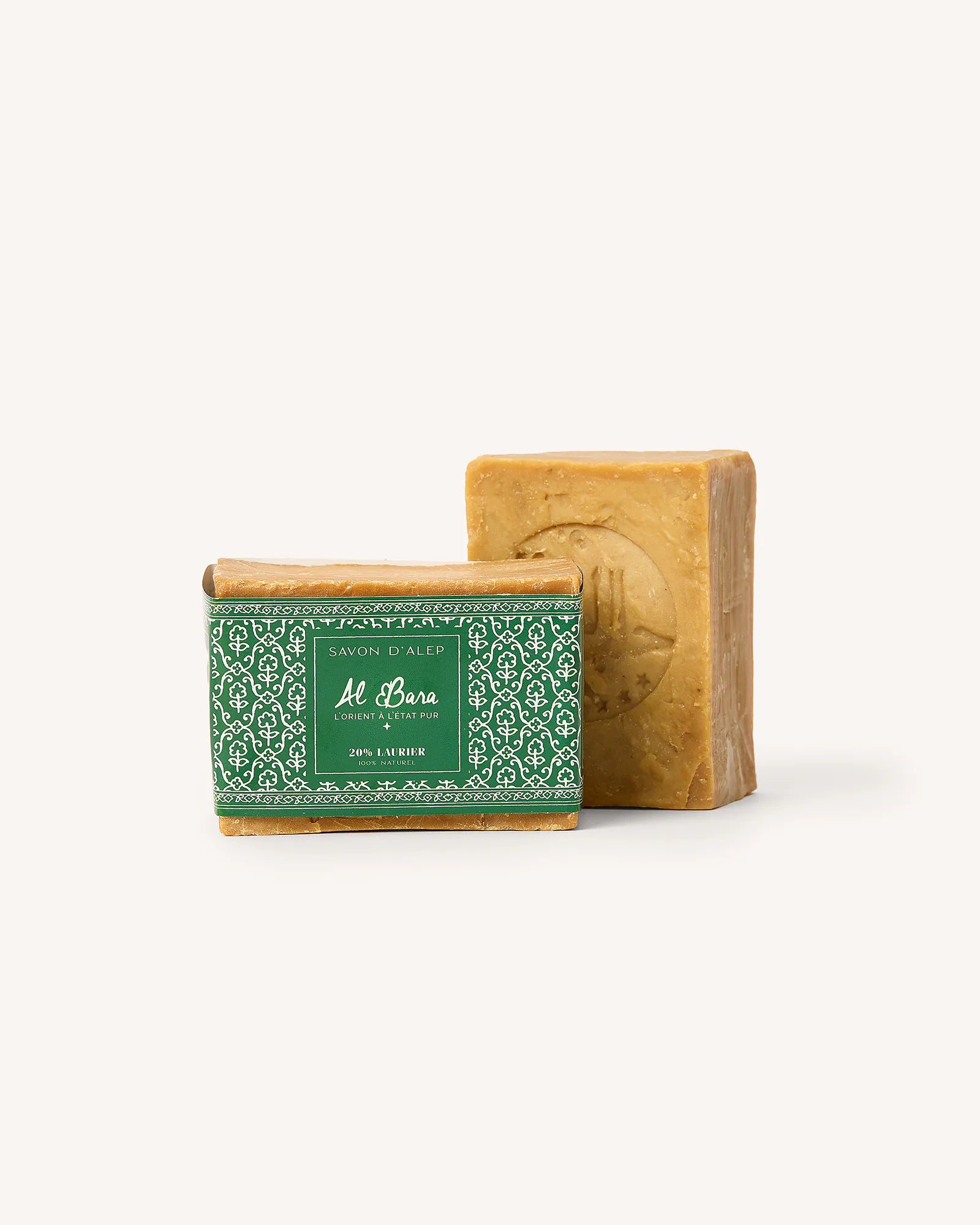
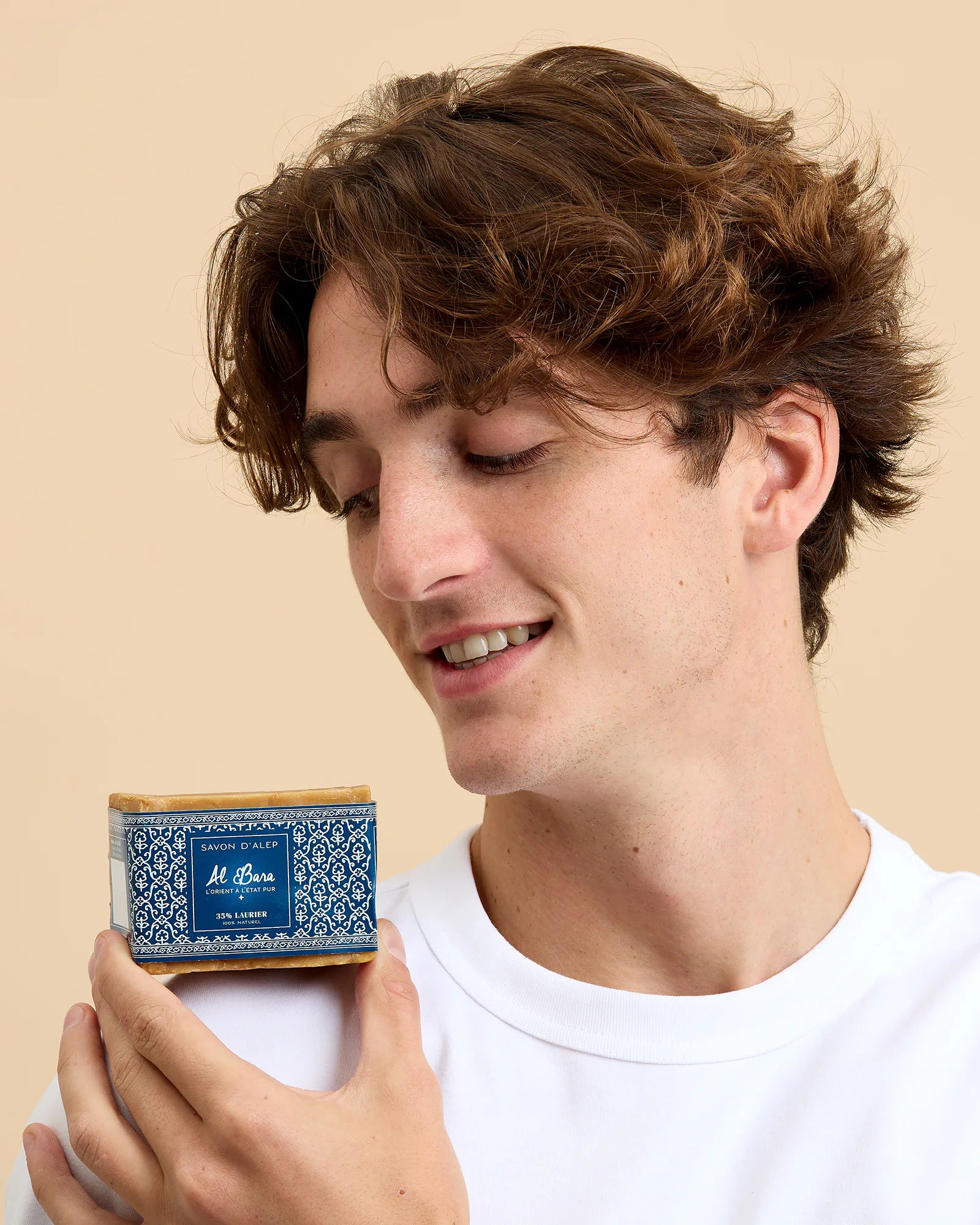
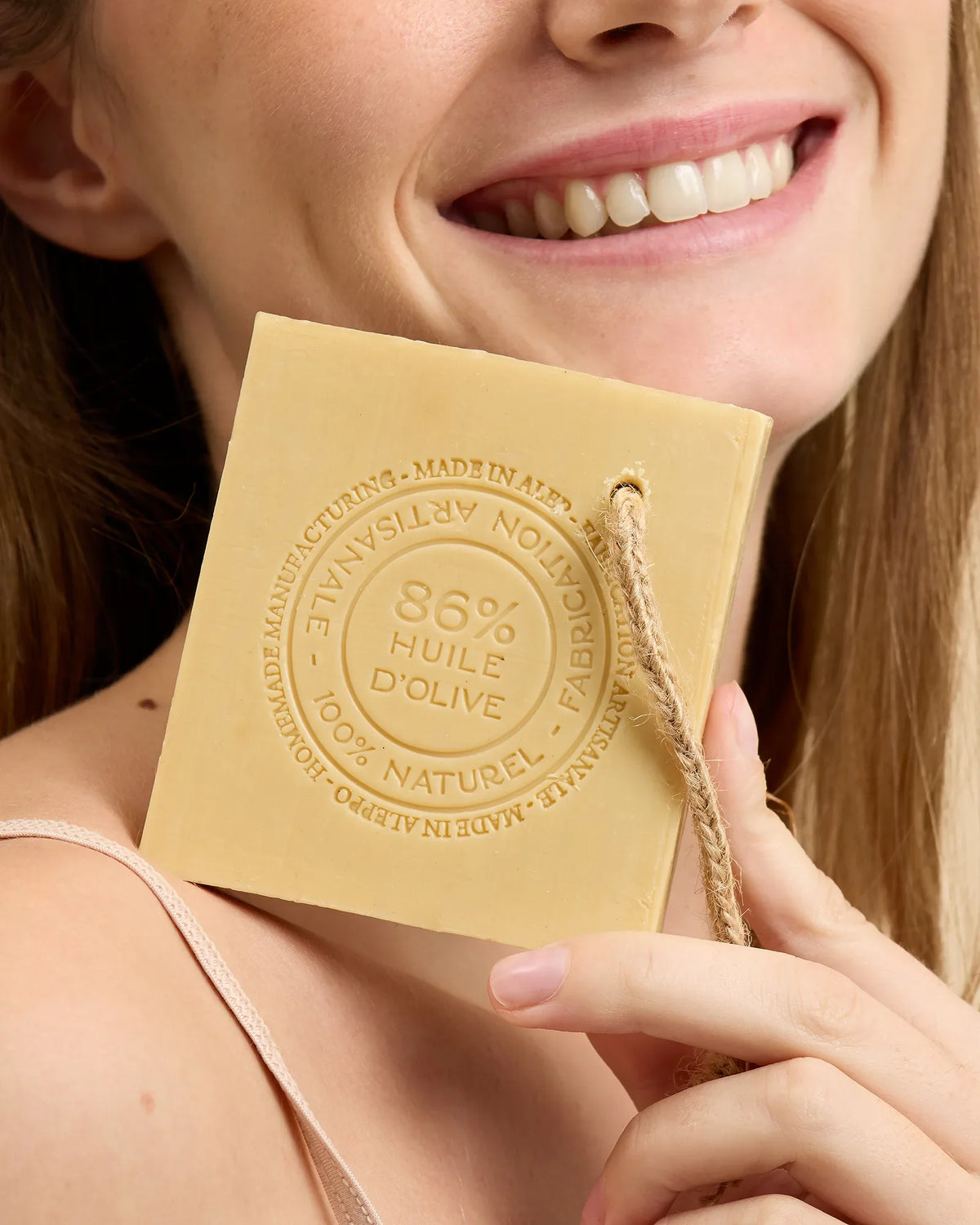
Each Al Bara Aleppo soap is made from three ingredients: olive oil, bay laurel oil, and vegetable soda. No synthetic fragrance, no dyes, no added preservatives. Saponification transforms these oils into natural cleansing agents while leaving a residual superfat that nourishes the skin upon rinsing.
For problem skin, this simplicity is a real advantage. Fewer ingredients mean fewer potential sources of irritation—a principle dermatologists recommend during flare-ups. You can learn more about the composition and benefits of Aleppo soap.
Aleppo soap and acne: cleansing without irritation
Acne is often associated with excess sebum and bacterial proliferation. The temptation is to cleanse aggressively—which usually worsens the situation by stimulating sebum production as a defensive reaction.
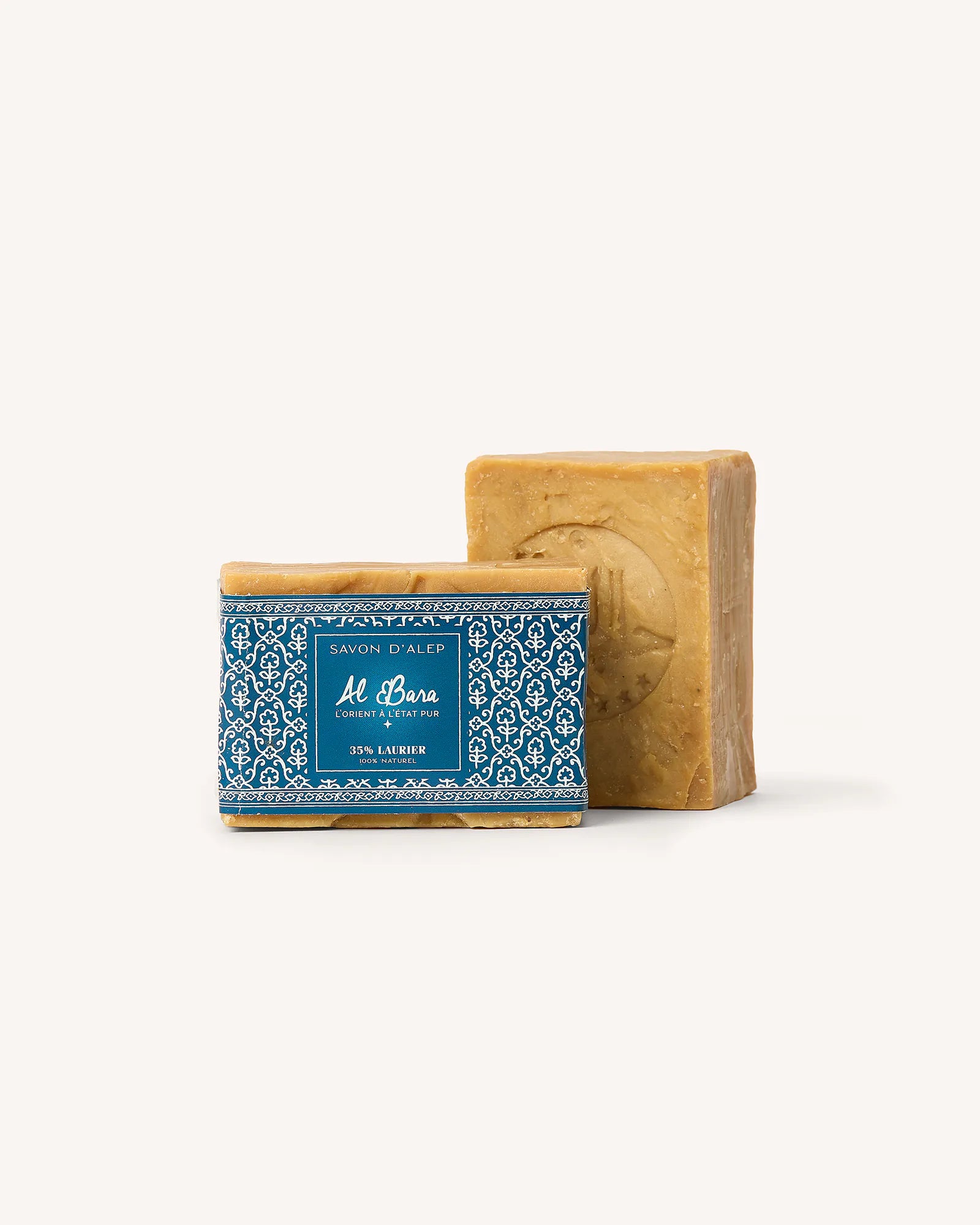
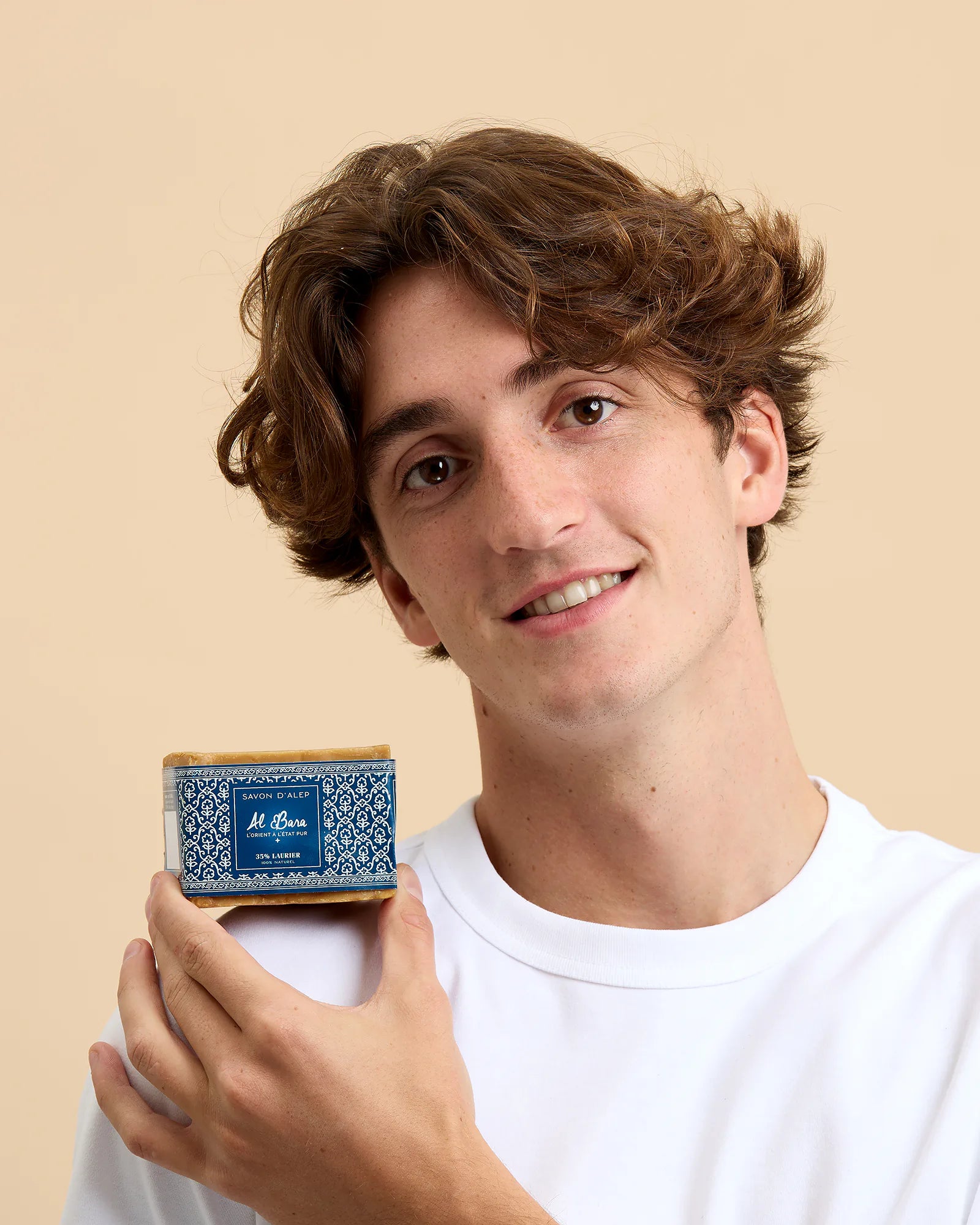
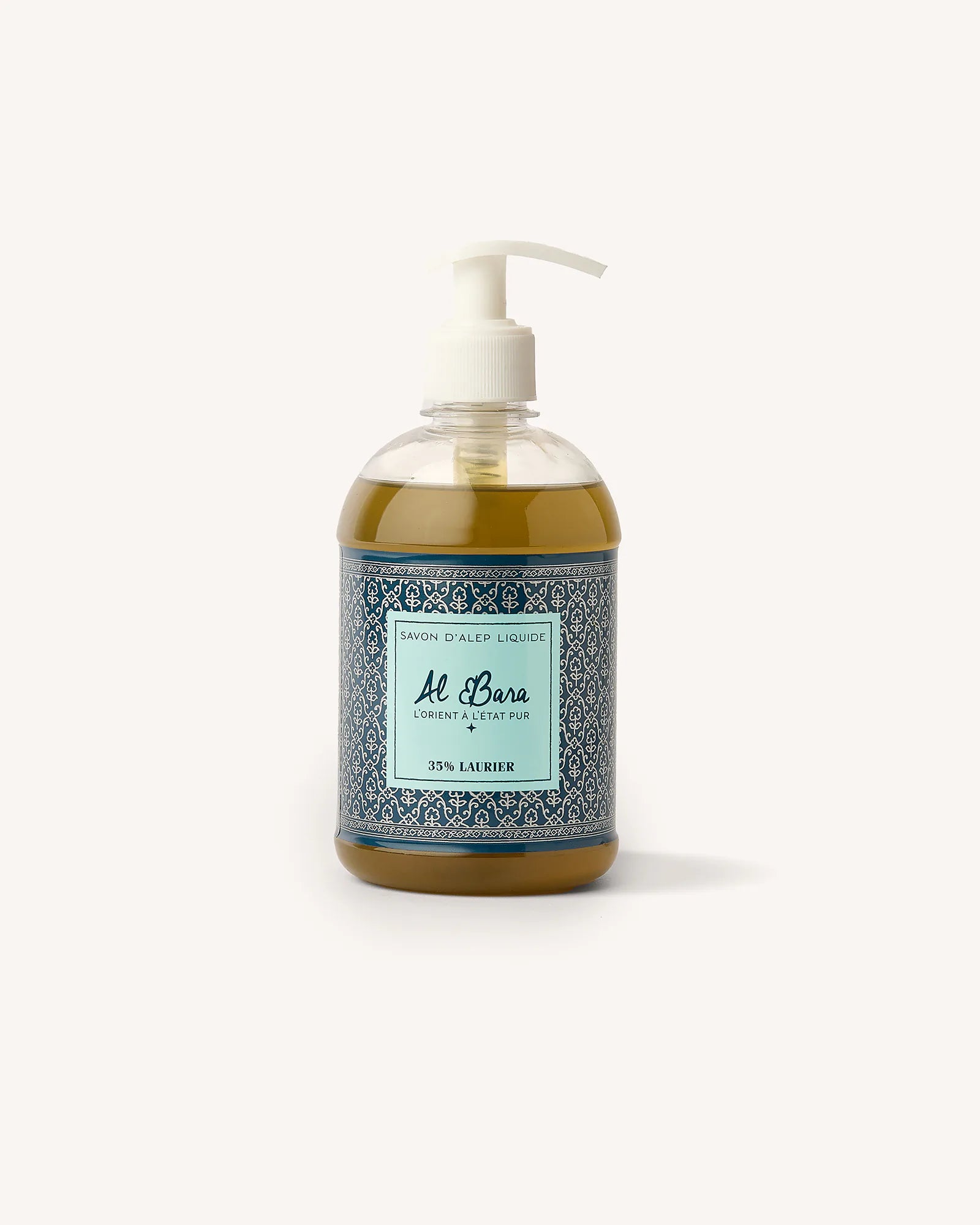
Aleppo soap with 35% Laurel, concentrated in bay laurel oil, helps regulate surface sebum without dehydrating. Laurel oil is known for its natural purifying properties. It can help soothe blemishes and reduce skin shininess—without promising to make them disappear permanently.
In cases of inflammatory or cystic acne, or if you are undergoing medical treatment, consult your dermatologist before changing your cleansing routine.
Aleppo soap and psoriasis: reducing cleansing-related irritations
Psoriasis causes scaly patches related to accelerated cell renewal. The skin is often fragile, dry, and sensitive to alcohol, sulfates, and fragrances found in classic shower gels.
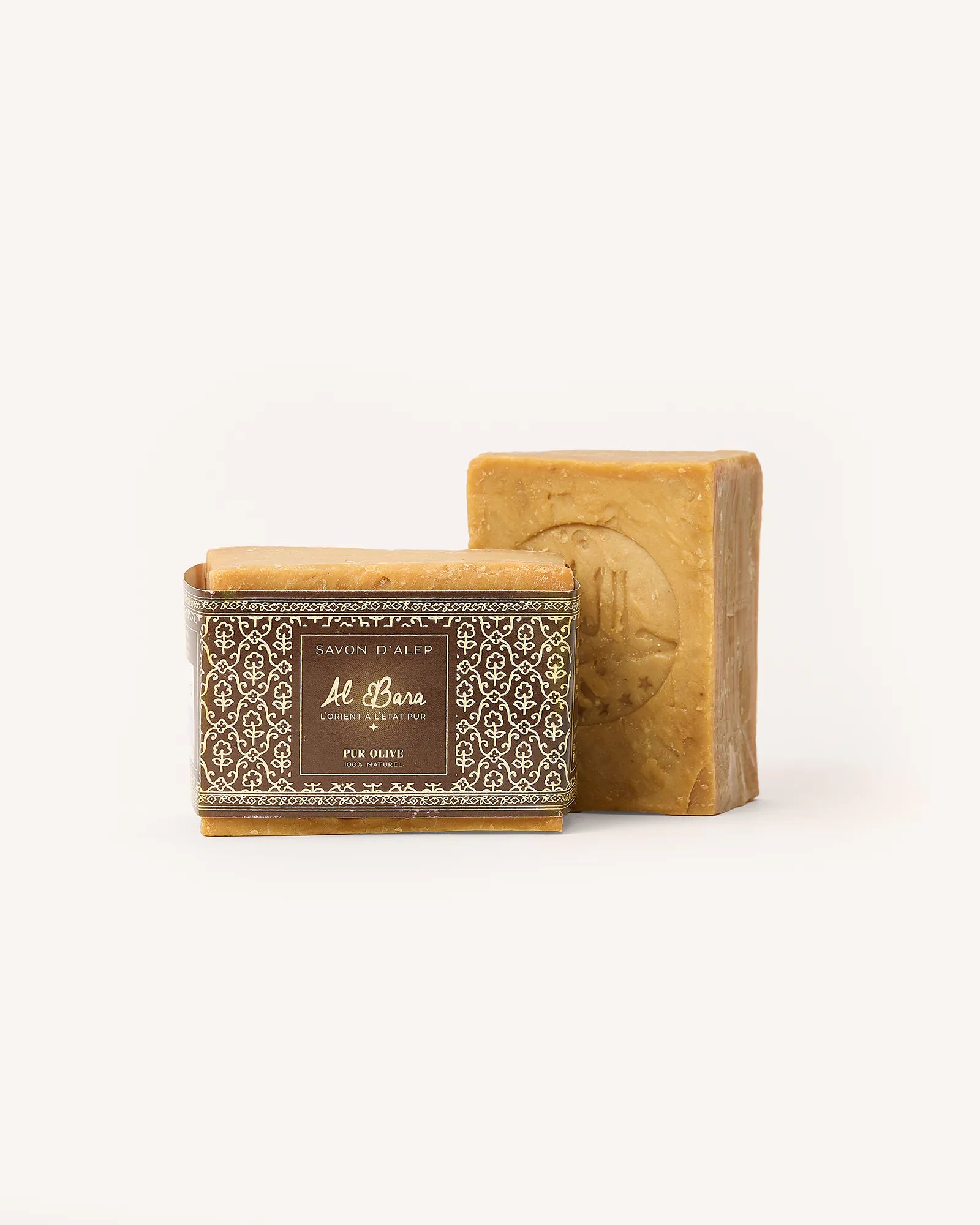
Pure Olive Aleppo soap—100% saponified olive oil, without laurel oil—offers gentle cleansing that can help preserve the hydrolipidic film. It does not act on the immune mechanism involved in psoriasis, but it can soothe irritations related to daily washing.
Outside of flare-ups, many people with psoriasis incorporate it into their routine as an alternative to chemical superfat cleansers. In the case of active plaques, your dermatologist's advice is essential.
Aleppo soap and skin mycosis: a natural aid
Cutaneous mycoses—athlete's foot, intertrigo, pityriasis versicolor—require an antifungal treatment prescribed or dispensed by a pharmacy. Aleppo soap does not act on the mycosis itself.
That said, bay laurel oil is being studied for its natural antifungal properties. The 35% Laurel soap is used by some people as a preventive cleanser in areas prone to recurrence: feet, skin folds. It can accompany prescribed treatment—it does not replace it. If in doubt, speak to your doctor or pharmacist.
Which Aleppo soap to choose for your skin type?
The Al Bara range includes three references:
- 35% Laurel — oily, acne-prone, blemished skin or skin prone to recurrent mycoses
- 20% Laurel — normal to combination skin, daily use for the whole family, children aged three and over
- Pure Olive — dry, sensitive skin, psoriasis; see also our article on Aleppo soap and eczema
In the presence of a diagnosed condition, the choice of soap remains a decision to be validated with your healthcare professional.
Frequently Asked Questions
Can Aleppo soap replace my medical treatment?
No. Aleppo soap is a natural cleanser, not a medicine. It can help reduce daily cleansing-related irritations and complement your routine, but it does not replace any prescribed treatment for severe acne, psoriasis, or mycosis.
How often should Aleppo soap be used on acne-prone skin?
Once or twice a day, morning and evening. Lather the soap in your hands before applying it to your face—never rub it directly onto your skin. Rinse with lukewarm water and pat dry.
Can Aleppo soap be used during a psoriasis or eczema flare-up?
It depends on the skin condition. On very inflamed skin or skin with open lesions, it is better to wait for the flare-up to resolve. Outside of flare-ups, Pure Olive soap is generally well tolerated. If in doubt, consult your dermatologist.
Read more
Can Aleppo soap cleanse the face without irritating the skin? Yes, provided you choose the right bay laurel oil concentration and use the correct techniques. Here's the complete guide, skin type by...
Comment utiliser le gant kessa pour un gommage hammam parfait ? Technique étape par étape, fréquence optimale, erreurs à éviter et entretien du gant — le guide complet.