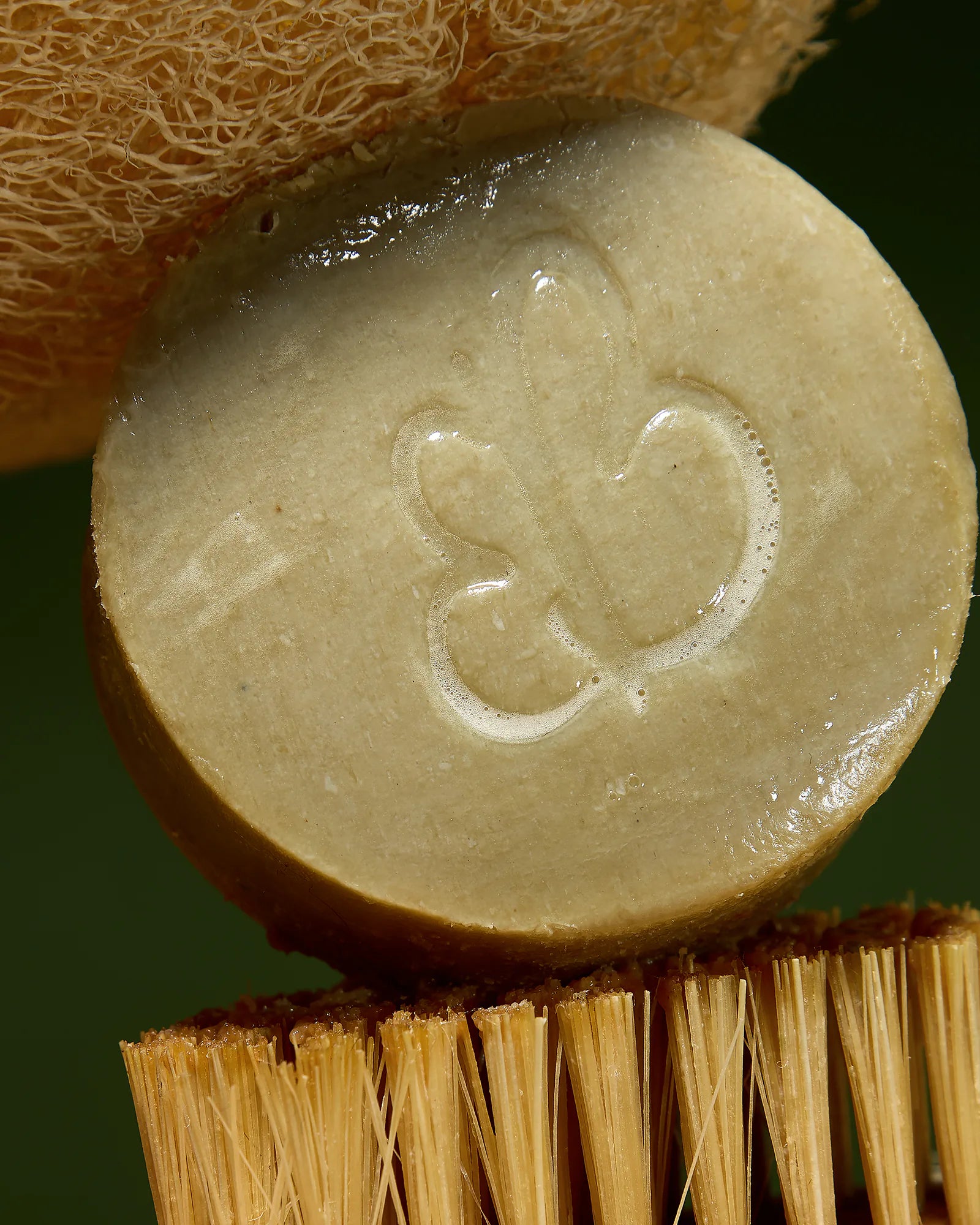

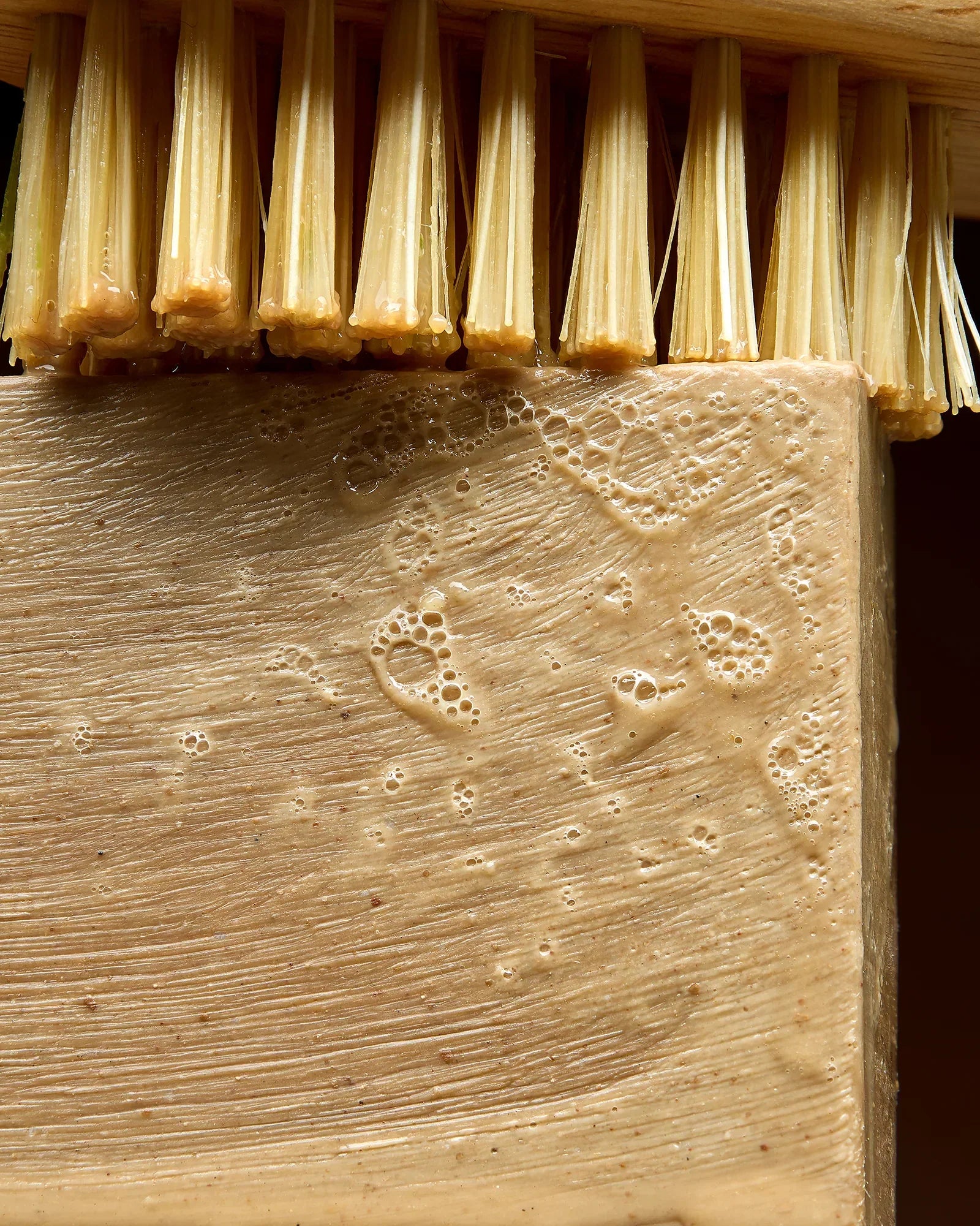
What is the pH of Aleppo soap?
Aleppo soap has a pH between 9 and 10. Like all traditional soaps made by saponifying vegetable oils with vegetable lye, it is alkaline. Your skin's pH, however, fluctuates between 4.5 and 5.5. This difference sometimes causes hesitation. Yet, many skin types—including sensitive skin—tolerate Aleppo soap very well on a daily basis. Here's what chemistry and experience teach us.
Skin pH and Soap pH: Two Different Values
Healthy skin is slightly acidic. This hydrolipidic film naturally protects against bacteria, allergens, and dehydration. Its pH varies depending on body areas, age, and skin type, but is generally between 4.5 and 5.5.
Saponified soap, regardless of its quality, is alkaline. This is inherent to the process: the reaction between a fatty substance and a base (here, vegetable lye) produces a salt—the soap—whose pH naturally exceeds 8. Aleppo soap, made from olive oil, laurel berry oil, and vegetable lye, is no exception. You can find all the details on its composition in our article on the benefits of Aleppo soap.
What matters is not just the product's pH at the time of application—it's your skin's ability to restore its acidic balance after rinsing. And that's where Aleppo soap stands out.
Why Aleppo Soap Is Well Tolerated Despite Its Alkaline pH
Several characteristics specific to Aleppo soap's formula explain its good skin tolerance:
Natural superfatting with olive oil. Olive oil is not entirely saponified during manufacturing. A fraction remains free in the soap bar and deposits a protective film on the skin during rinsing. This superfatting softens the drying effect of a high pH and leaves the skin supple after washing.
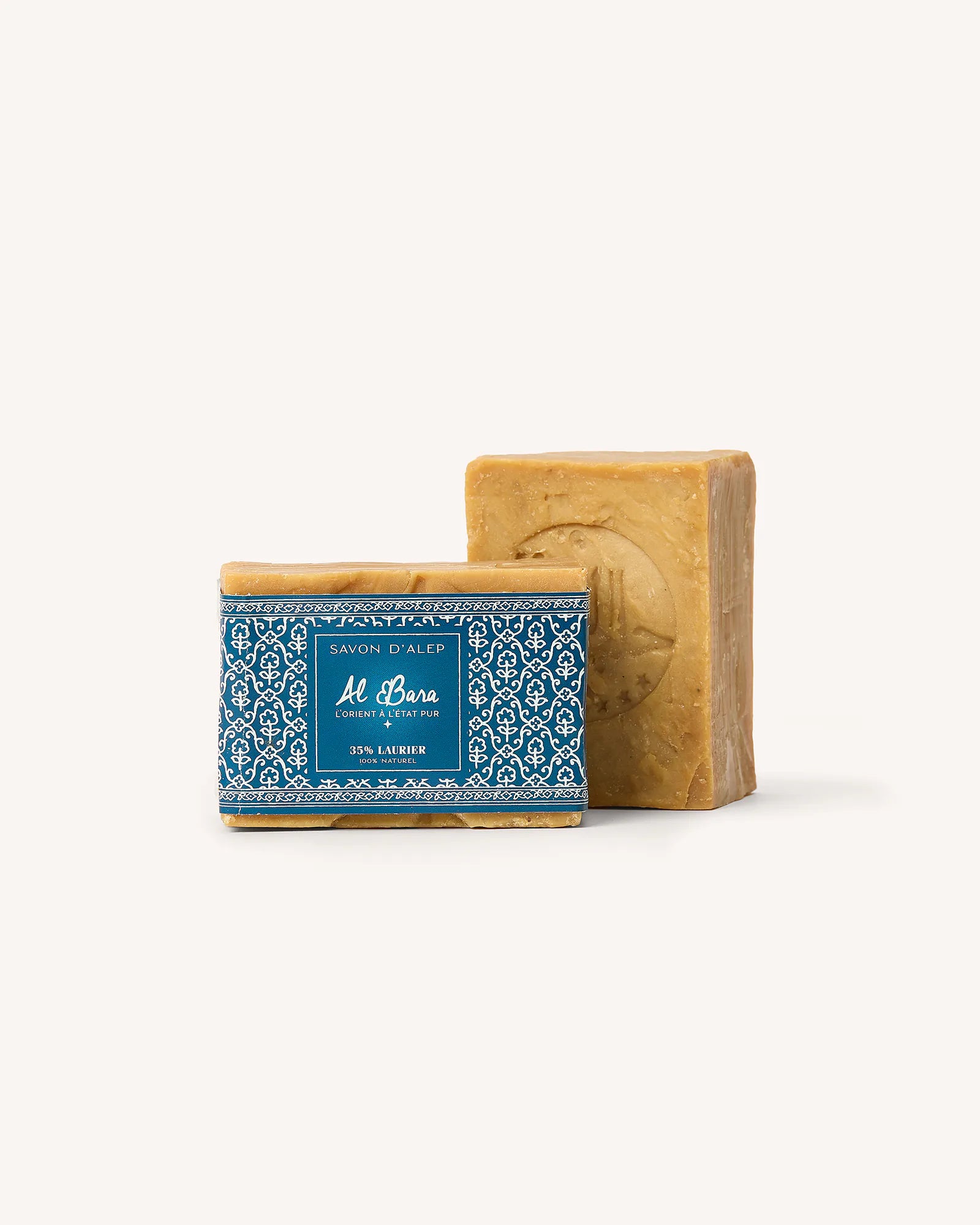
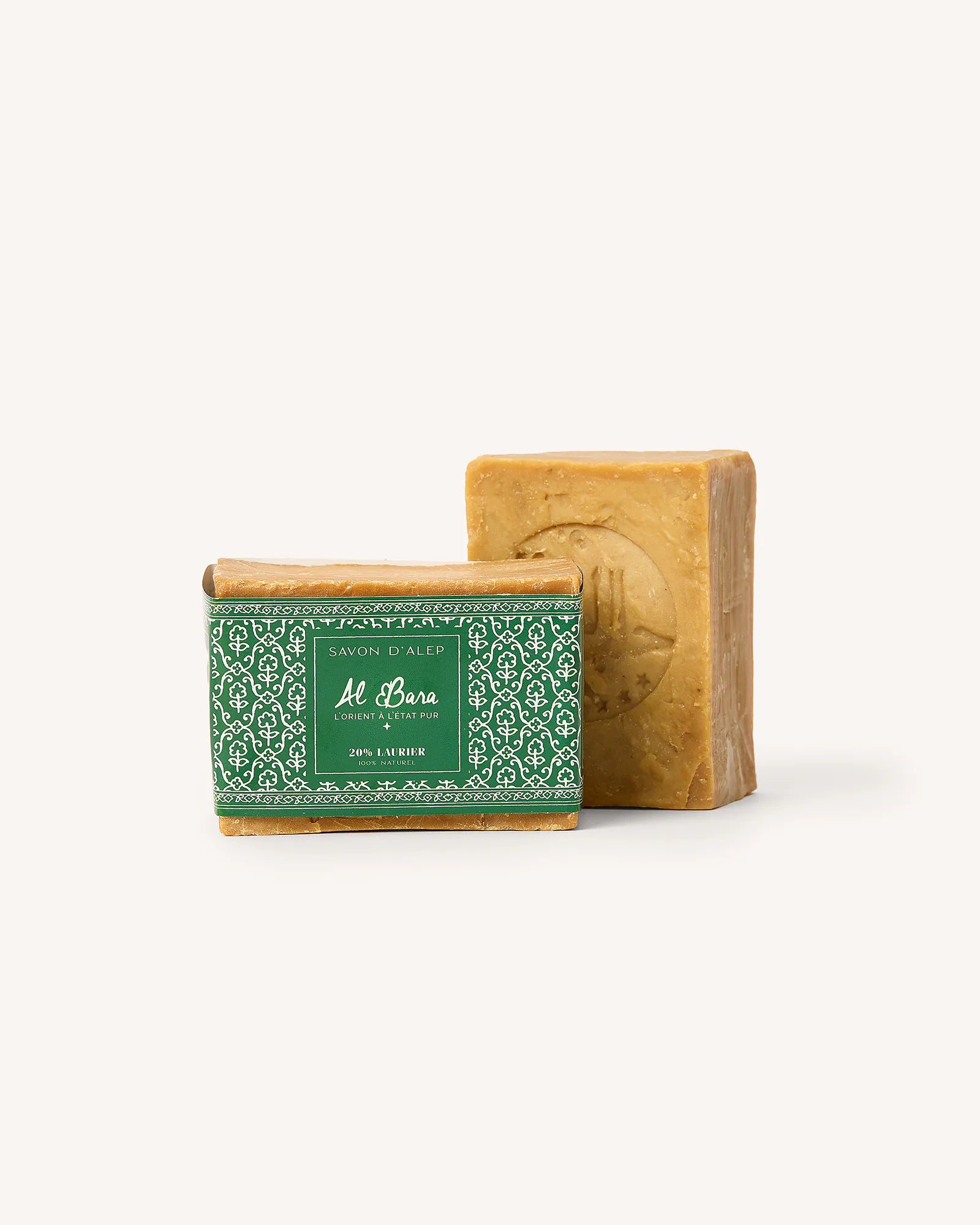
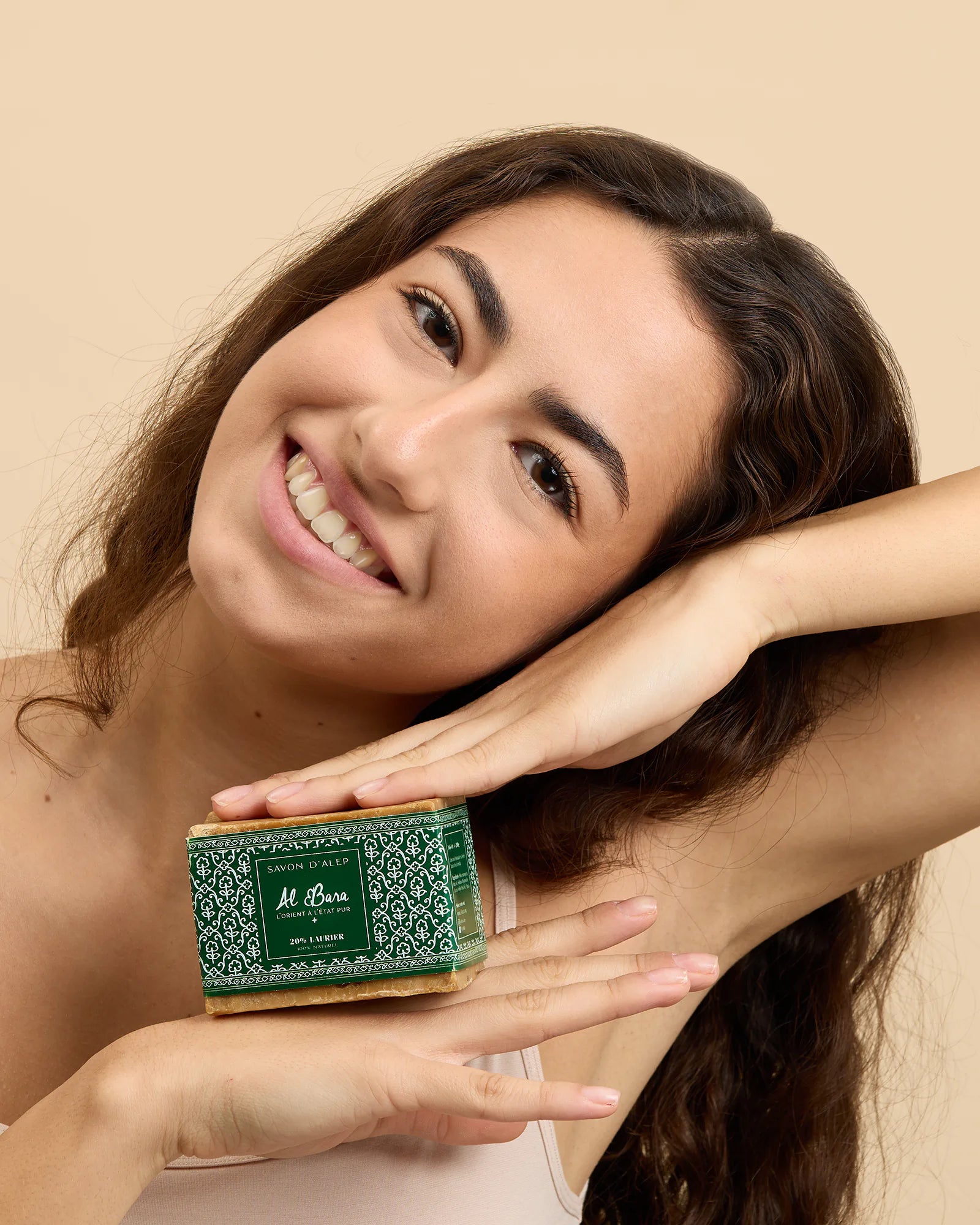
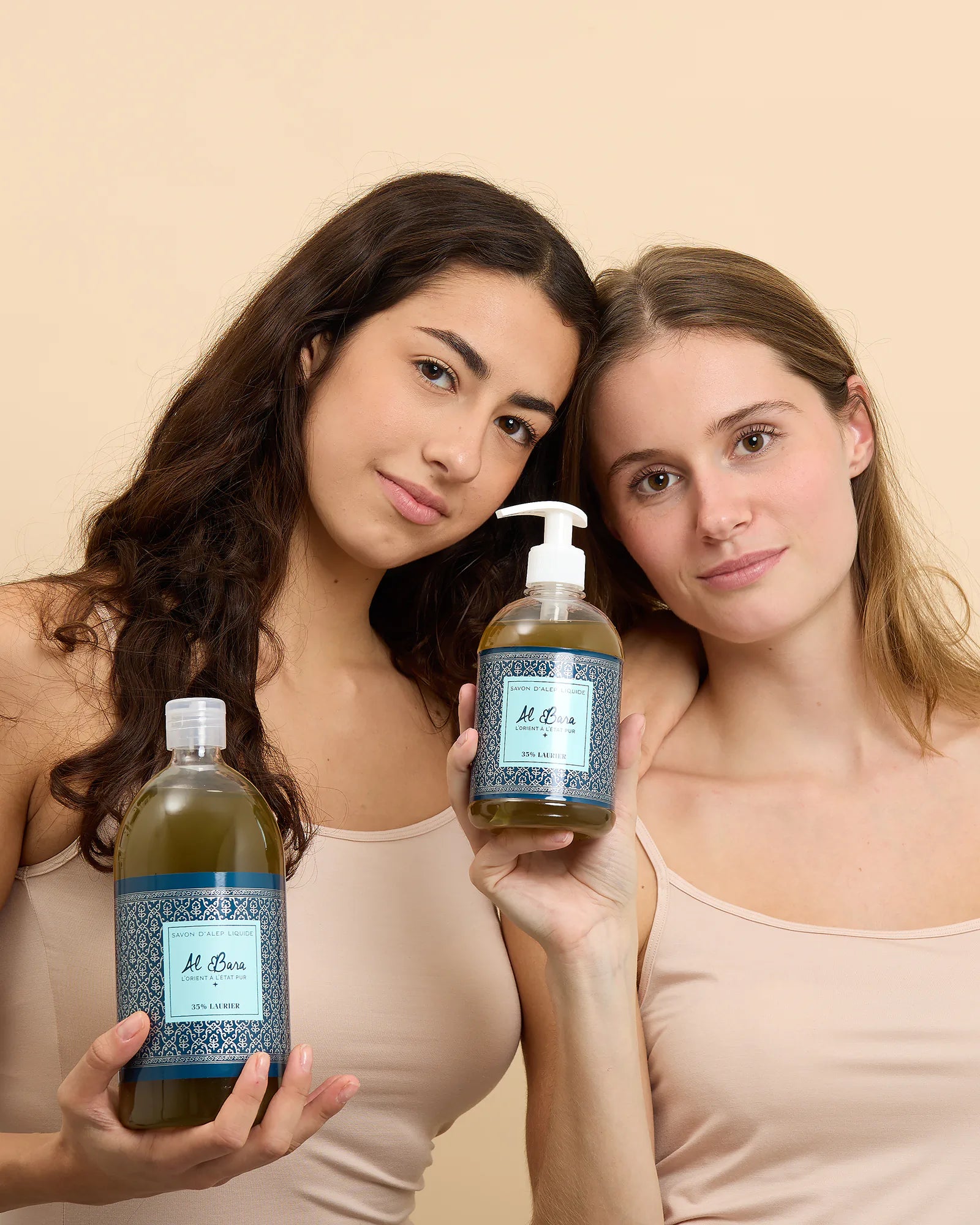
Laurel berry oil. Present at 20% or 35% depending on the Al Bara formula, laurel oil is rich in lauric acid and vitamin E. It contributes to skin soothing and comfort after washing.
Short contact time. The soap is rinsed off. The skin has a natural buffering capacity: it regains its acidic pH within 15 to 60 minutes after thorough rinsing. This return to balance is rapid for most skin types.
Minimalist composition. Olive oil, laurel berry oil, vegetable lye: three ingredients, without synthetic fragrance, without chemical preservatives, without industrial emulsifiers. For reactive skin, the alkaline pH of traditional soap is often less problematic than the list of additives present in a shower gel or a low-end syndet bar.
How to Rinse Properly to Preserve Your Hydrolipidic Film
Rinsing is the step that makes the difference between a comfortable wash and skin that feels tight. A few simple rules:
- Prefer lukewarm water, never hot. Very hot water amplifies the alkaline effect and promotes skin dryness.
- Rinse thoroughly and carefully: no soap residue should remain on the skin.
- Pat the skin dry without rubbing with a soft towel, so as not to damage the hydrolipidic film as it rebuilds.
If your skin is very dry or very reactive, a final rinse with slightly acidified water can help: dissolve a few drops of apple cider vinegar in a liter of lukewarm water and pour it over the skin after the usual rinse. This step is not essential for most skin types, but it can accelerate the return to natural acidic pH.
Which Aleppo Soap to Choose According to Your Skin Type?
The laurel oil content influences the richness and cleansing effect of the soap—not its pH, which remains alkaline regardless of the formula. To guide your choice:
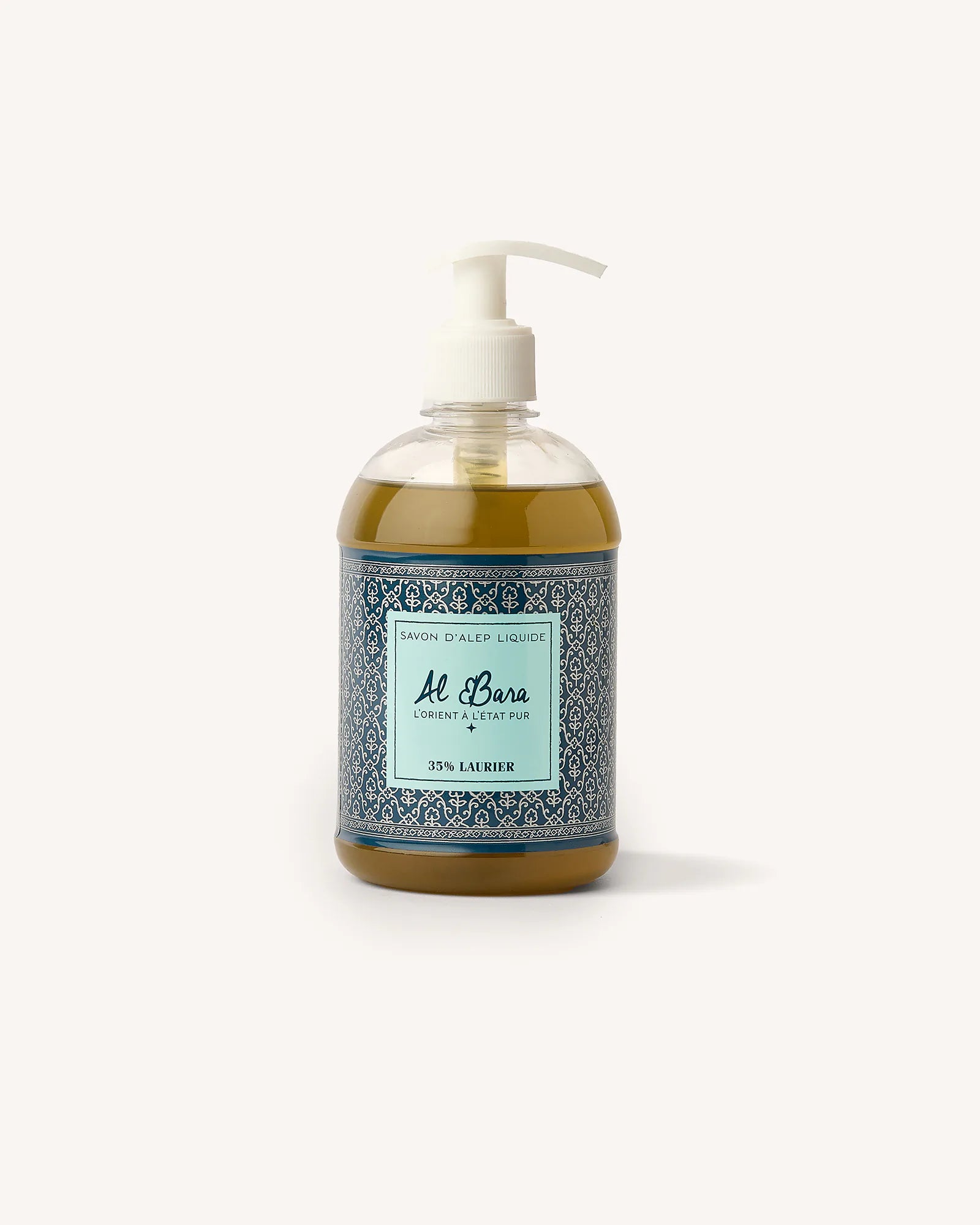
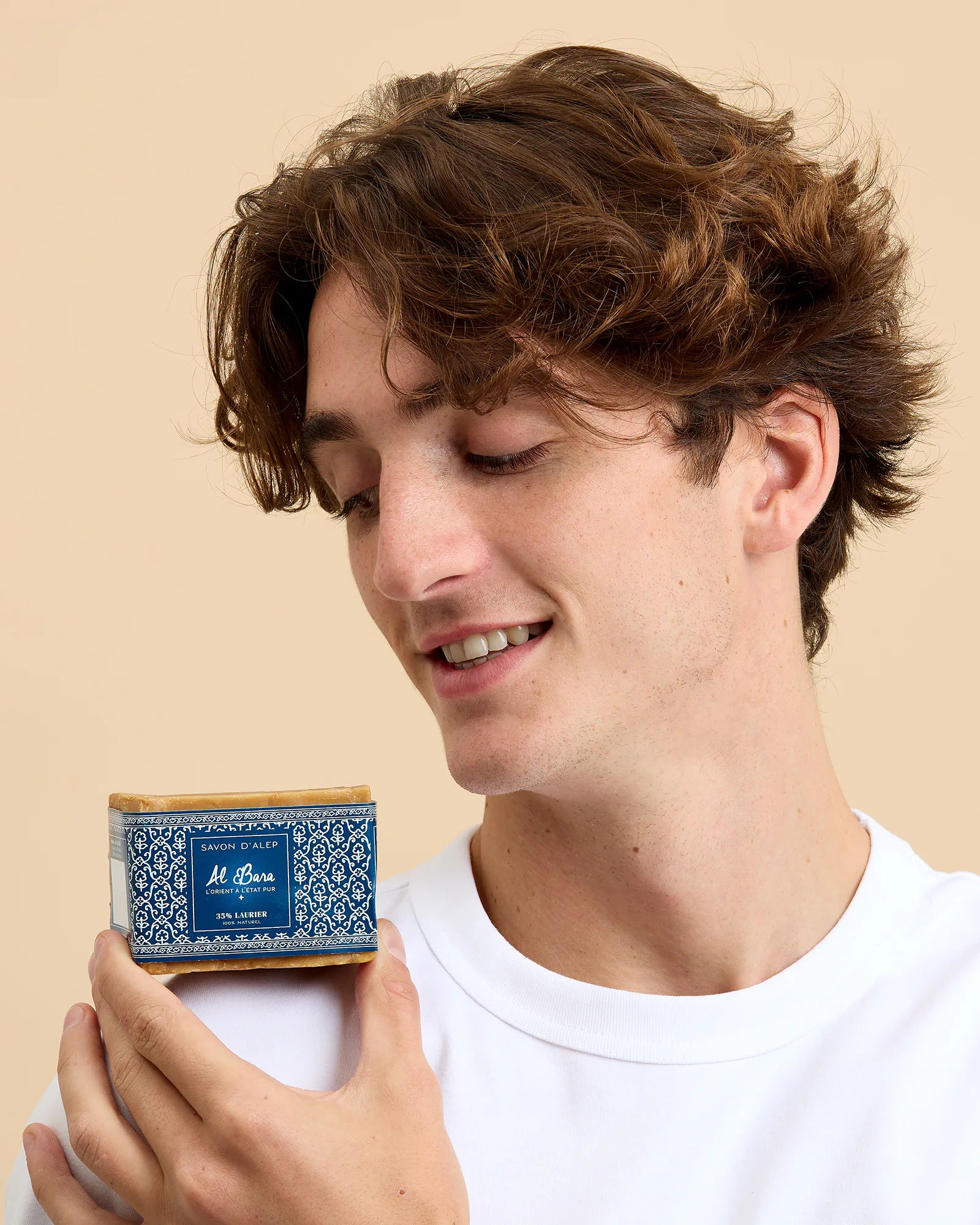
- 35% Laurel: Recommended for oily and acne-prone skin. Richer in lauric acid, it helps cleanse without irritating.
- 20% Laurel: The versatile choice for normal to combination skin, the whole family, and children from 3 years old.
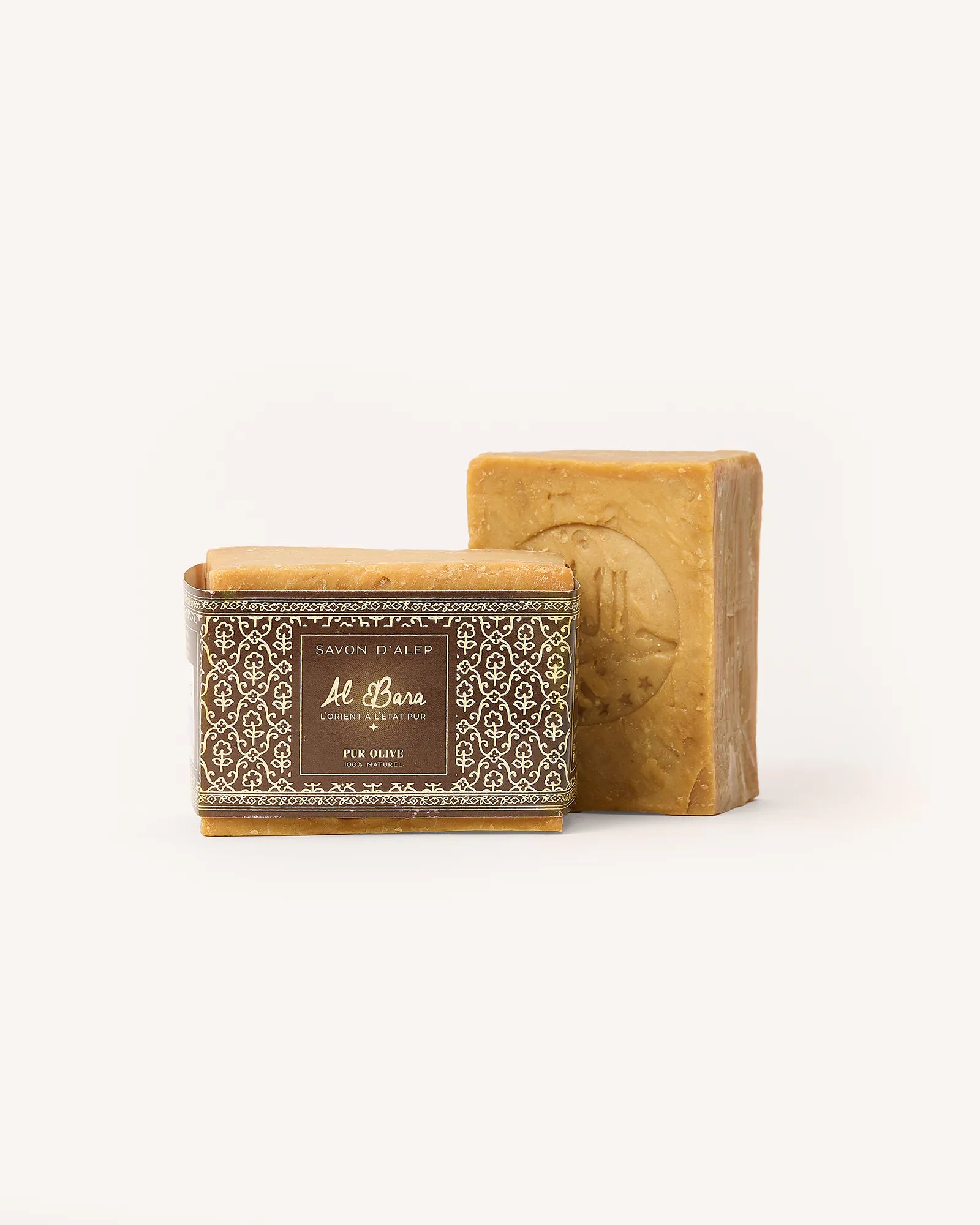
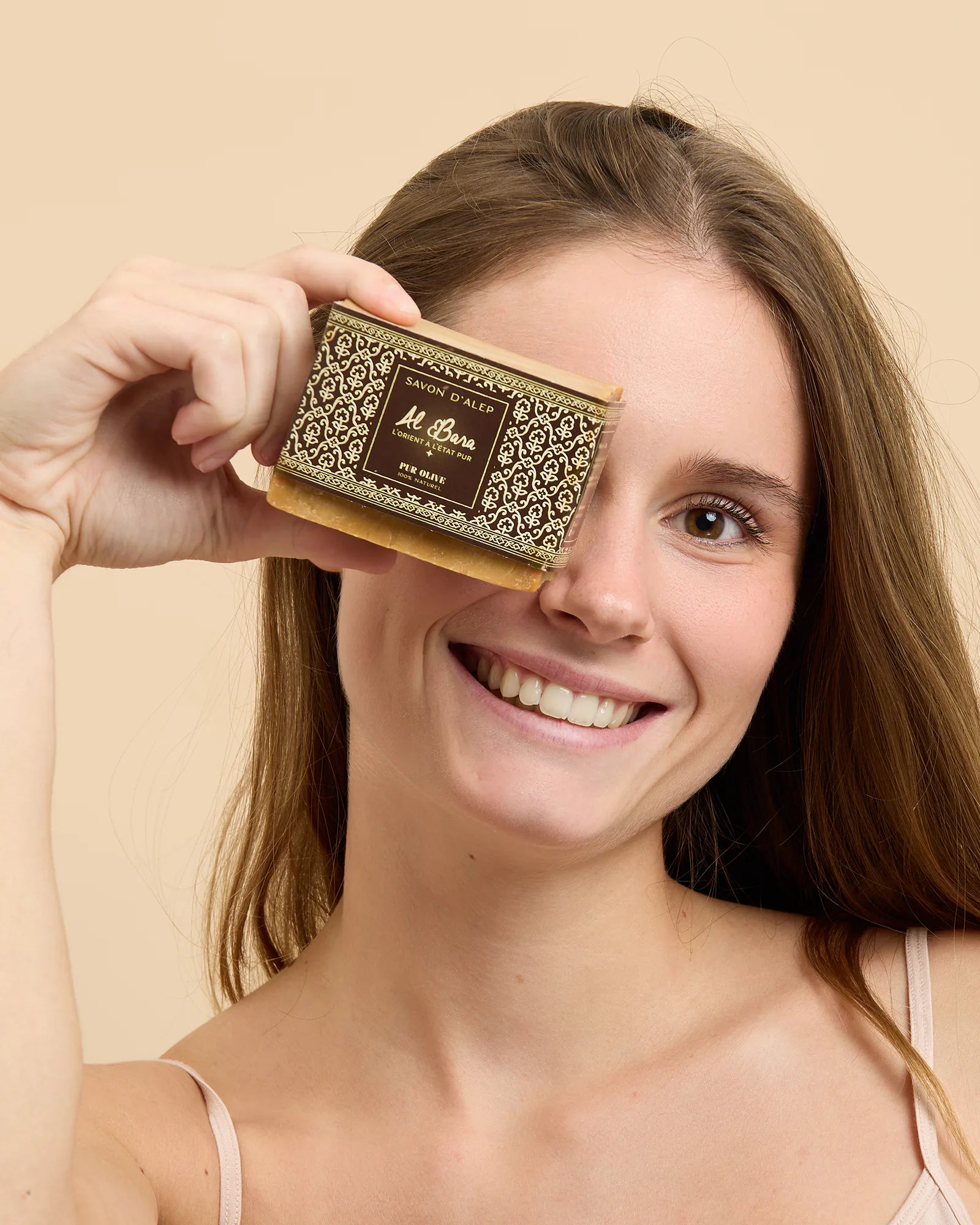
- Pure Olive: Formulated only with saponified olive oil, without laurel berry oil. The mildest in the range, it is particularly suitable for dry and very sensitive skin.
Frequently Asked Questions
Does the alkaline pH of Aleppo soap damage the skin long-term?
No, under normal use conditions. The skin regains its natural pH in less than an hour after rinsing, and its buffering capacity is robust for most skin types. That said, very dry or atopic skin may be more sensitive to frequent washing—regardless of the origin of the soap used. It's better to limit the frequency of washing than to look for a "neutral" pH soap.
Can you measure the pH of Aleppo soap at home?
Yes, with pH test strips available at pharmacies. Dissolve a little soap in distilled water and dip the strip into the resulting solution. You will get a measurement between 9 and 10, consistent with any traditional saponified soap.
Is Aleppo soap suitable for atopic or diagnosed skin conditions?
It is often well-accepted by sensitive skin thanks to its minimalist composition. In cases of diagnosed atopic dermatitis, chronic eczema, or other skin conditions, consult your dermatologist before changing your skincare routine.
Read more
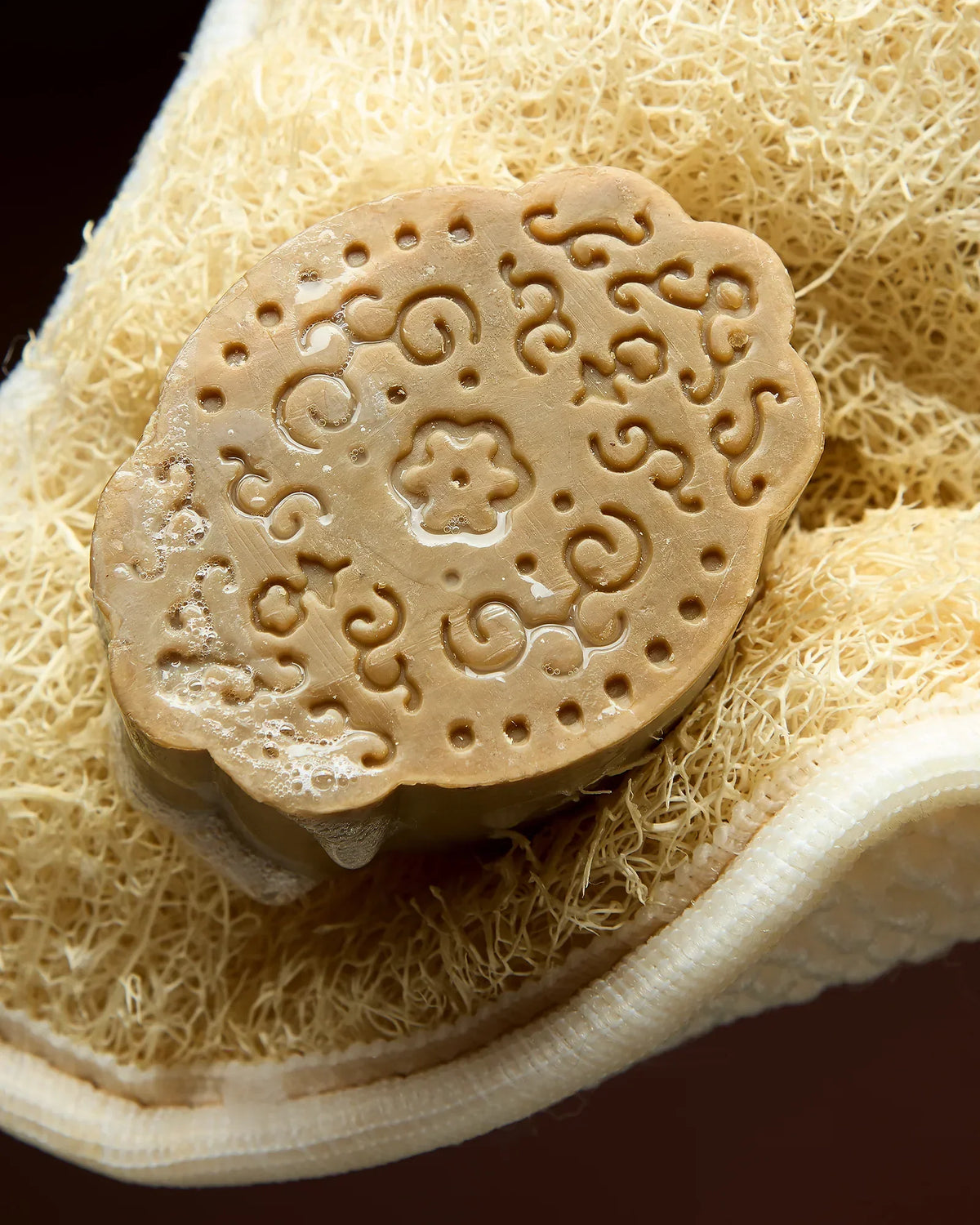
Aleppo soap draws its benefits from only two ingredients: olive oil, which nourishes the skin, and laurel berry oil, which purifies and soothes. What it really brings, skin type by skin type.
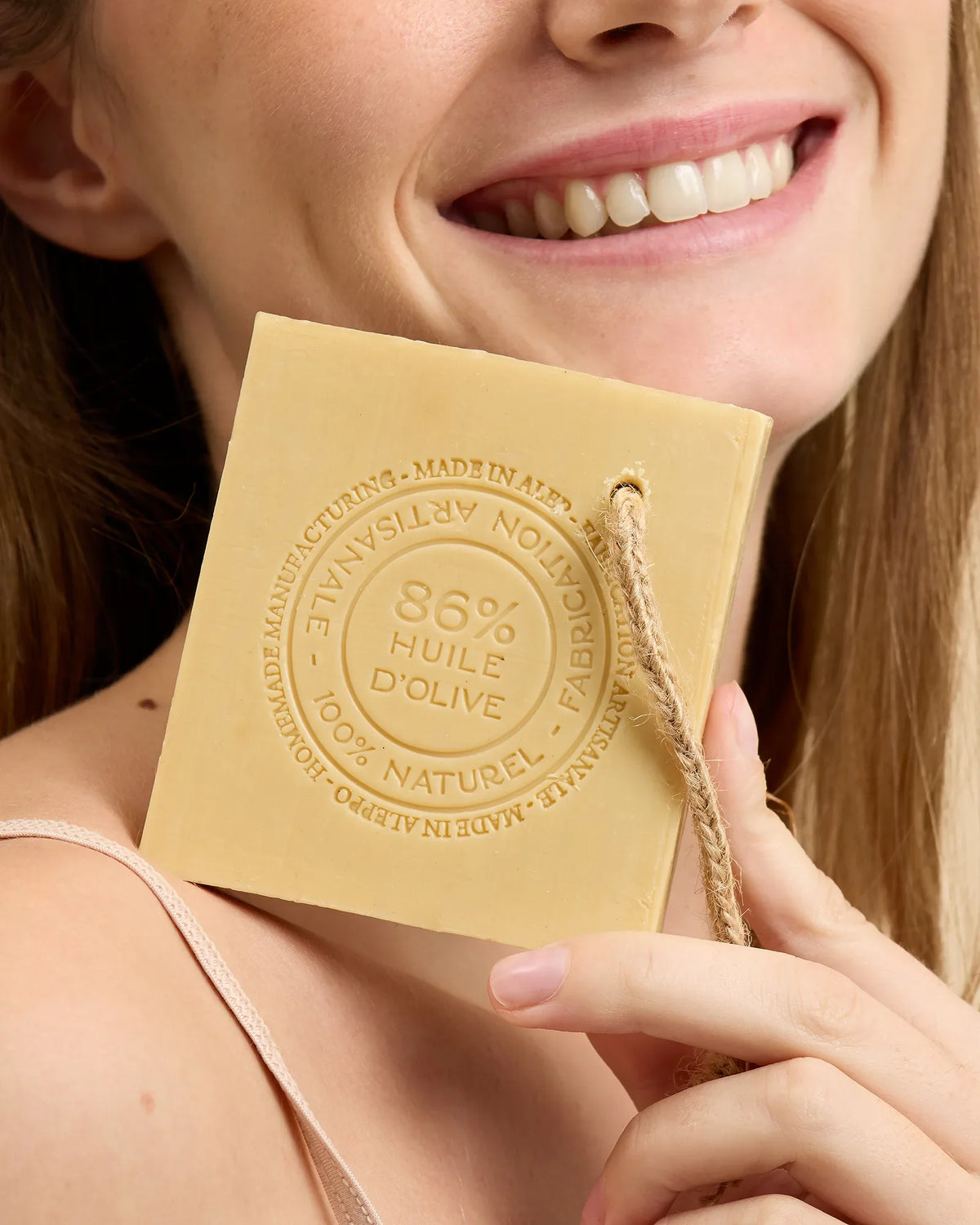
Can Aleppo soap cleanse the face without irritating the skin? Yes, provided you choose the right bay laurel oil concentration and use the correct techniques. Here's the complete guide, skin type by...